Jan and Chad Winke

Matamata, New Zealand

jan-chad-winke_1920

“It is really easy to understand and follow – even team members who are not very digital find it easy – and for any young ones it’s just intuitive.”

About

200 dairy cows

Sharemilk 340-cow 128ha system

Solutions

Sensors: SmartTag Neck

Insights: Nedap Now

Automation: SmartSort

From Small Herds to Large-Scale Dairy Systems

When Chad and Jan Winke were involved in Chad’s family dairy in the US 18 years ago, Chad knew every one of the high-producing cows in his 30-cow herd.

The Winkes were fifth generation dairy farmers in northeast Iowa where the cows were fed and housed in single stalls with both the feed and the milking equipment carried to each cow – and there was lots of time and cow-side interaction to really get to know the foibles and health status of each animal.

But when the family moved to New Zealand and started dairy farming with high cow numbers and extensive grazing properties with many staff, getting to know and closely observe each cow was way more difficult, if not impossible. Their time on an 830 cow Matamata sharemilking job calving three times each year highlighted the complex nature of individual health record monitoring and management.

testimonial_jan_chad_winke_Insights

A System Focused on Longevity and Production

Two years ago, the couple purchased their own small dairy farm in the area and milk a 200-cow predominantly straightbred Friesian or Jersey cows and are split calving. Using a system 5 high input operation, Chad is very focused on longevity and milk production – breeding and feeding cows capable of producing an average of 600-650kg MS/cow for 12 or more years, with the top producers reaching 700-800kg MS/cow. They also sharemilk a 340-cow 128ha system 2-3 hill farm, producing 480kgMS/cow on a spring calving regime with cows also fitted with the Nedap technology.


Turning Behaviour Data into Actionable Insights

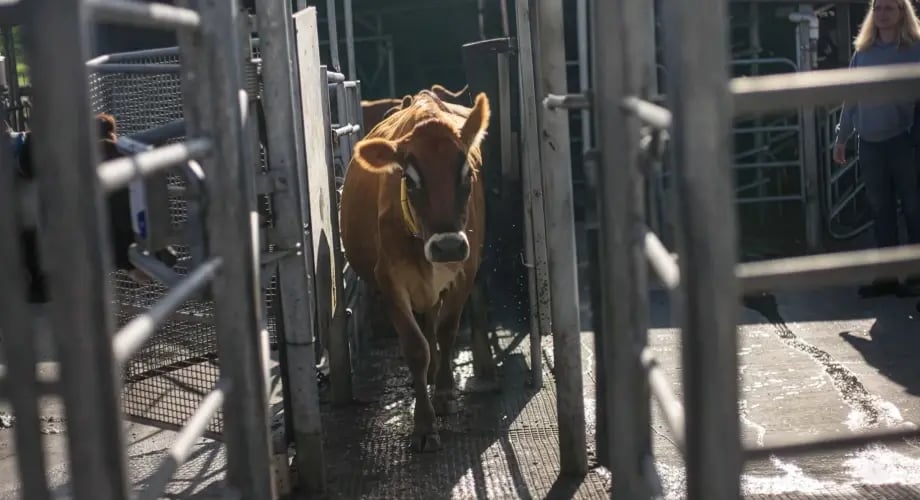
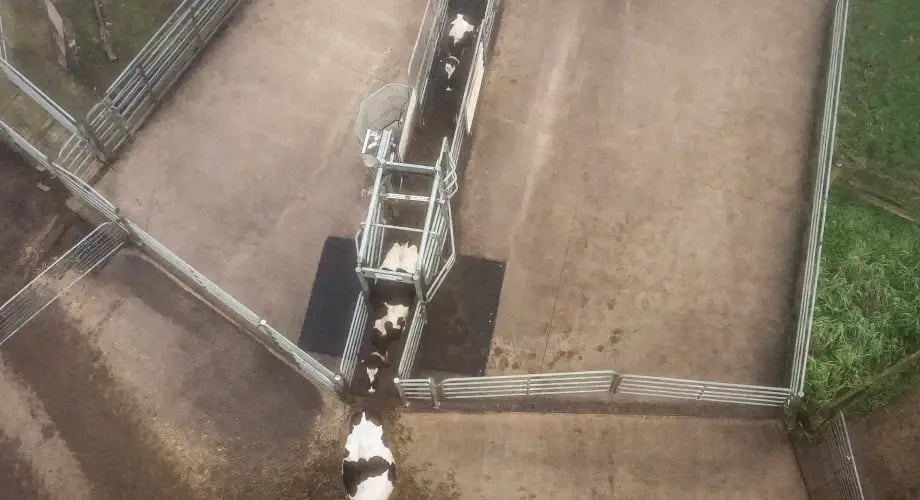
Every day the system analyses the cow data and sends health alerts, with push notifications if they reach the urgent threshold and then automatically drafts the cows out at the afternoon milking to be checked.

An ‘urgent’ health alert picks up animals not eating or ruminating for a period of time and a ‘significant’ alert picks up when their eating or rumination activity has decreased from their average.


Customisable Alerts That Reflect Real Farm Conditions

Jan works for Nedap helping farmers set up and run their systems, and says it is fully customisable to different levels of sensitivity deviating from the norm for each cow and the data is also buffered for the conditions happening to the whole herd.

“For example, are they on a new feed? Is it bad weather – all the herd might be down in eating if it’s affecting them all – so the significant alert does not highlight them all,” she says. “I usually recommend farmers set up the urgent alerts as a push notification, because those are the ones you want to have a look at right away, whereas the others under a significant alert can probably wait until the daily automatic draft from the mob.”

testimonial_jan_chad_winke_SmartSort1

Empowering the Farm Team to Act Early

On the cellphone or laptop dashboard each cow’s activity, rumination and feeding levels are visible so that each team member has the background data to understand the alerts.

“It is really easy to understand and follow – even team members who are not very digital find it easy – and for any young ones it’s just intuitive.” Chad says.

Farm staff are trained by Chad to then use a protocol to understand what is going on with the highlighted and drafted cow.

“They walk her to the crush, is she limping? Possible lameness? Check her breathing – is it a respiratory problem? Check the udder – possible mastitis brewing? Check the back end – metritis or other repro issue? If you are not sure, take the rectal temperature. If elevated, escalate to the manager for possible antibiotic input, if not, call it a digestive upset and treat with B12 vitamin shot, a Ketomax anti-inflammatory shot and a probiotic paste, all with no milk withholding issues, put her out in the sick cow mob and she can take it easy for a few days.”

Most of the time the intervention sorts the cow out, Chad says, and the early treatment usually prevents a couple more days of her developing whatever illness it was.


Better Outcomes Through Earlier Intervention

But by identifying she is off her food two-three days before a team member could notice she is hollowed out (or even a sharp stockperson could observe she is not herself), a very early intervention, pick-me-up treatment allows the cow to heal itself.

If the temperature is up, the developing infection will be treated with the antibiotic treatment relevant to her stage of lactation under advice from the vet, Chad says.

“The system is watching every cow, every day, all of the time – which is impossible to see in a large herd even for a really top stockperson.”

“The system has not necessarily decreased our antibiotic use, but it has done a lot for our vet callouts and cow losses, and we are minimising time out of the main milking mob.” Chad says the vet spend is down, but the vet still comes for the odd cow with undiagnosed illness, and they still lose some – but “those ones are on the vet – not on me”, he laughed.


testimonial_jan_chad_winke_SmartSort2