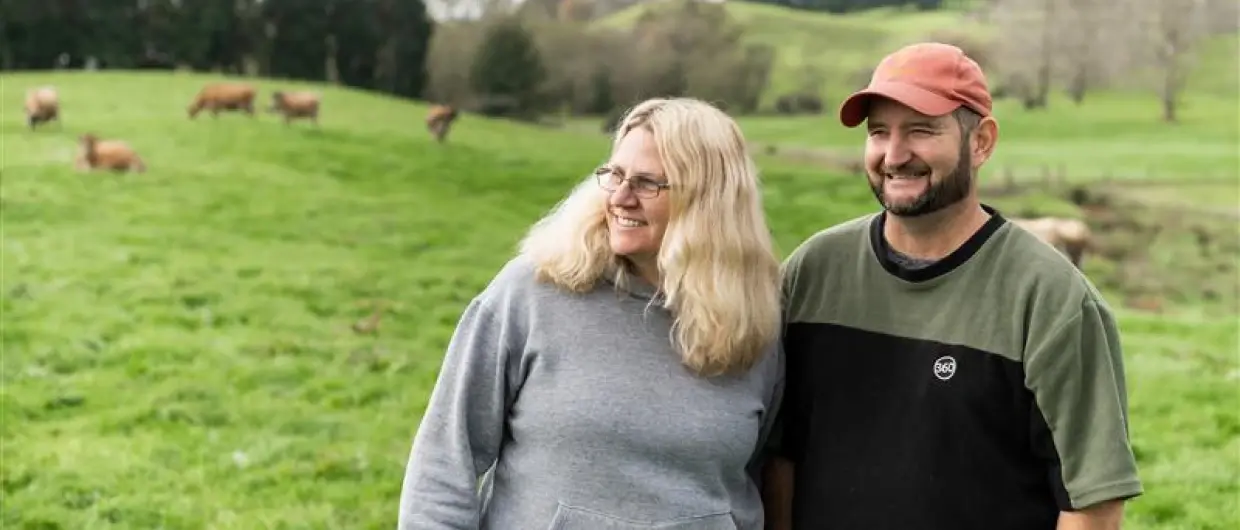
With a penchant for highly productive cows, possessing the confirmation and udder to support that production for a long milking life, Chad Winke’s semen tank probably looks a lot different to the norm in the Matamata district.
Chad and Jan farm 200 cows producing 130,000 kgMS from their small but perfectly formed herd, an average of 600-650kgMS/cow with the stars of the herd reaching 700-800kgMS/head.
Not your average Kiwi cows, these straightbred Friesians and Jerseys come from long lines of North American and Australian-bred genetics with the type Chad chooses and believes can deliver capacity, good legs and well supported and voluminous udders, delivering high volume year after year.
No bull of the day there, Chad selects semen for each cow and then personally inseminates them – across their home farm and the nearby 340-cow farm they also 50:50 sharemilk.
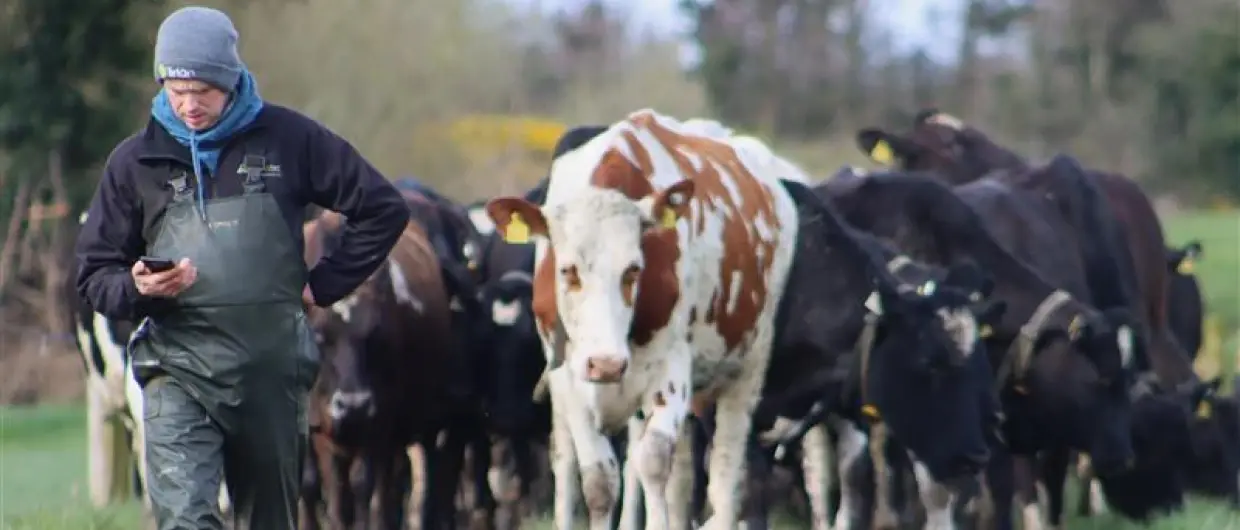
Often a recipe for burnout by having to be present in the shed picking cows and then inseminating them all, the job has been made much easier and more effective by the Nedap cow collar system identifying any cycling cows and automatically drafting them out at both the morning and afternoon milkings.
“I don’t have to spend everyday looking at cows tail paint or scratchies – we don’t have to draft the cows out at milking – I just turn up and inseminate them.”
“The system watches the cows - and based on their activity - lets me know which ones are cycling and automatically drafts those cows out.”
The algorithm is based on the movement of the cow, and Chad says its bang on.
“It’s just right – it is very accurate.”
“The insemination job is much quicker and less physical because I am doing some in the morning and some in the afternoon – it’s way less strenuous on me.”
In his previous life as a sharemilker on a 850-cow job Chad would have to inseminate 80-90 cows in one sitting on a big day – which was physically painful.
“But the system is so easy that now I can get it to draft both morning and afternoon – easier on the cows and less stress on facilities and on me.”
“I turn up and do the mating while the staff are doing the plant wash and all the cows can go away together.”
Better reproductive performance has flowed from optimal insemination rates and the Winkes are making good use of sexed semen to capture better genetic gain and get heifer replacements in the calf shed earlier. A tighter calving flows through and the number of bobby calves sold has been drastically reduced with more accurate use of sexed and beef semen.
The Winkes say when they switched from using scratchies their short returns halved and they saved on technician cost and semen costs and their conception rates jumped up.
“If you have mated cows two or three days apart on short return it shows in the records as them having been mated twice – that’s a 50% conception rate – but if they are just mated once and are pregnant, that’s a 100% conception rate.”
“The technician’s KPIs can be affected by the level of heat detection.”
“The system takes out any of that ‘if in doubt, put her up’ kind of thinking that staff sometimes have,” Jan says.
“And because the system is monitoring from the time the cow calves, we then have all the premating heats, we know who is not cycling, we know who is cycling too much – that could be cystic.”
Chad says the information is so much more accurate about when the cows have premating heats and the farmers don’t need generic advice about when to intervene with CIDRs.
“We have saved a pile of money on intervention because we knew our two year olds were averaging a longer period until their first heat, so we didn’t intervene at the generic day 40 because we knew they would cycle in the next seven days on their own – it saved us the stress and cost of intervening when we didn’t need to.”
“It also allows you to bring forward some intervention without any more labour being involved.”
While it doesn’t change anything on the inside of the cow, it helps you to put the procedures in place at the right time, Chad says.
And it can take a lot of the stress out of life around new and potentially inexperienced staff around mating decisions.
“We actually went to the US on a family holiday at mating this year,” Jan said, but Chad was quick to say that it was for a family wedding – and not something that he would’ve otherwise condoned!
“We wouldn’t normally have gone away, but we have missed family weddings in the past – and because the system was all going to run so smoothly with staff to overlook it, we could get in the technician and actually go away,” Jan said.
“It gives you flexibility for whatever life throws at you – so you don’t have to dread that you can’t have a sleep-in or get away or if someone is sick or kept up all night with a sick baby – you can trust the system to run in the background and find the cycling cows and draft them out.”
“We find the heat detection function in the system saves a ton of time and labour and effort,” Chad summarised, “while the early warning health stuff saves you a heap of money.”